Integrating Puzzle Mechanics with Multiplayer Elements in Browser Gaming Platforms
Uma Müller · Jul 15, 2026
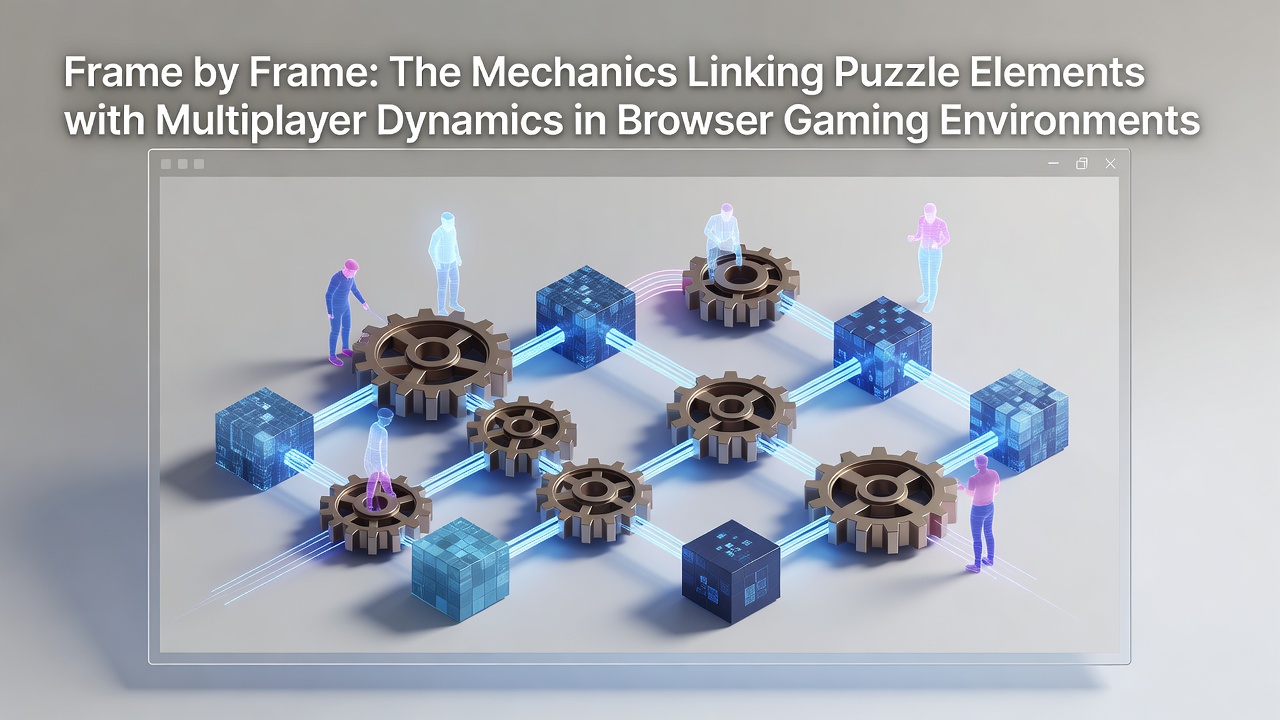
Integrating Puzzle Mechanics with Multiplayer Elements in Browser Gaming Platforms
Browser gaming environments have evolved to support complex interactions where puzzle elements merge directly with multiplayer systems, allowing players to solve logic challenges while coordinating actions in shared digital spaces. Data from industry reports indicate that browser-based titles now account for a growing share of sessions that combine solitary deduction tasks with group timing requirements, particularly in platforms that require no downloads or installations. Researchers at various academic institutions have documented how these mechanics rely on synchronized frame updates to maintain consistency across participants, ensuring that puzzle states reflect collective inputs without lag disrupting the flow. Developers achieve this integration through client-side scripting that processes both individual moves and shared variables in real time. A single puzzle grid might update when one participant places a piece while another adjusts constraints, and the system broadcasts those changes to maintain alignment. Studies from European research centers show that such designs reduce server load compared to fully rendered 3D environments, which explains their persistence on free portals accessed worldwide.Core Technical Frameworks
Frame synchronization forms the backbone of these hybrids. Each game tick handles puzzle rules such as matching sequences or spatial arrangements, then layers multiplayer elements like chat overlays or joint timers onto the same loop. This approach lets participants experience both the satisfaction of solving a sequence and the pressure of competing or cooperating within the same window. Observers note that JavaScript libraries optimized for canvas rendering enable these dual functions without requiring external plugins, a shift that gained traction after major browsers standardized support for HTML5 features.
According to figures released by the Entertainment Software Association, browser games incorporating collaborative puzzle modes saw increased playtime metrics through 2025, with projections extending into mid-2026 showing continued adoption in regions including North America and parts of Asia. The data highlight how turn-based puzzle cores adapt to real-time multiplayer by using prediction algorithms that smooth out minor connection variances.
Examples of Linked Mechanics
One documented pattern involves shared resource pools where players contribute to a collective puzzle solution while racing against opponents in parallel tracks. A participant might arrange symbols to unlock bonuses that affect the entire group, turning individual logic into a team asset. Australian classification board reports on digital entertainment confirm that these formats avoid content restrictions common in other genres, which supports their distribution on unrestricted portals.
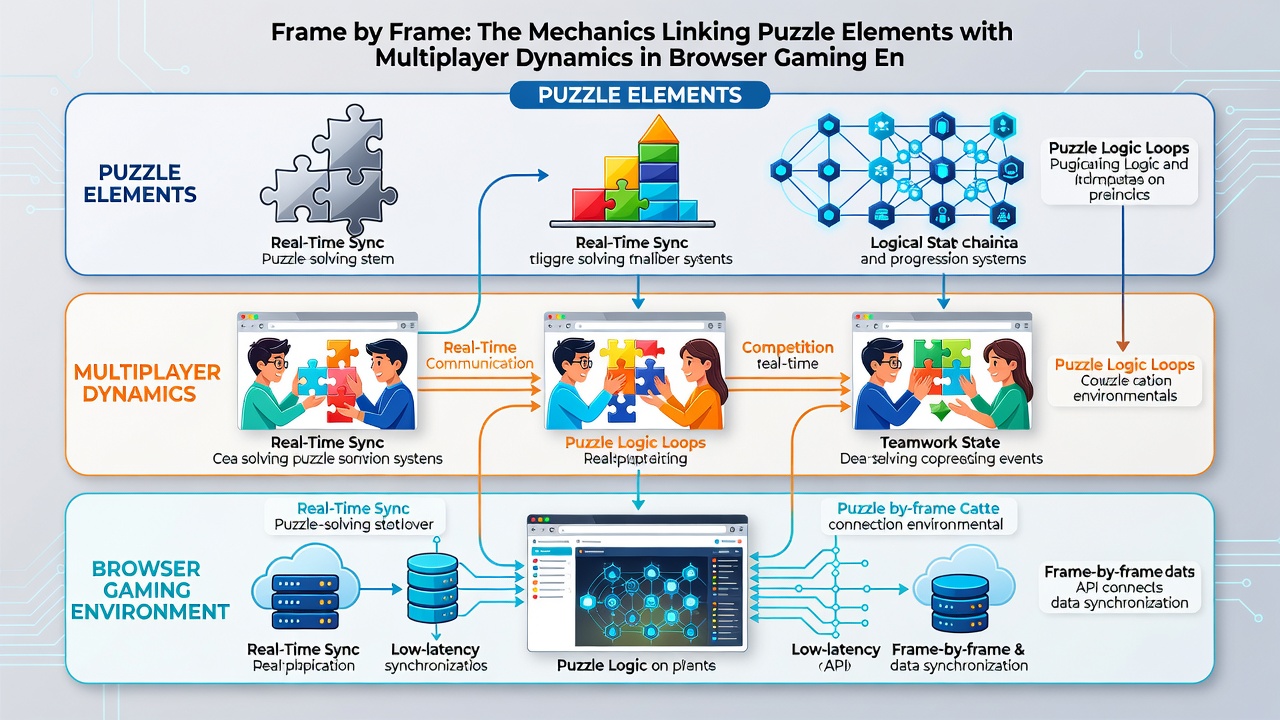
Another linkage appears in sequential challenge chains, where completing a logic segment opens pathways for allied players to advance simultaneously. The ball stays in motion because frame updates propagate instantly, allowing marksmen-style timing elements to intersect with deduction sequences. University-led analyses of web-based interaction logs reveal that these hybrids maintain higher retention rates than pure puzzle or pure action titles alone, largely due to the emergent coordination required.
Current Landscape in 2026
By July 2026, browser environments continue to host these fused experiences on portals that prioritize accessibility. Platforms report steady traffic from users seeking sessions that blend cognitive tasks with social negotiation, and metrics collected by trade groups indicate that puzzle-multiplayer crossovers represent a stable segment amid broader industry shifts. Those who have examined server architectures note that lightweight protocols keep bandwidth demands low, enabling participation from varied devices without specialized hardware.
What's notable is how event-driven scripting ties puzzle completion states to multiplayer triggers, such as unlocking group achievements or altering shared maps. Canadian digital media studies have tracked similar patterns in educational gaming contexts, where logic elements support collaborative problem-solving under competitive constraints. This convergence demonstrates that browser limitations, once viewed as restrictive, now channel innovation toward efficient, frame-precise designs.
Conclusion
The mechanics that link puzzle elements with multiplayer dynamics in browser settings rest on precise frame handling and shared state management. Evidence from multiple sources shows these systems deliver coordinated experiences that scale across users without additional software. As platforms refine their tools, the integration continues to expand the range of accessible interactions available in no-install environments.