Cross-Platform Echoes: How Free Browser Hubs Quietly Reshaped Niche Multiplayer Strategy Encounters
Uma Müller · May 27, 2026

Cross-Platform Echoes: How Free Browser Hubs Quietly Reshaped Niche Multiplayer Strategy Encounters
Browser platforms have expanded access to niche multiplayer strategy encounters through no-download interfaces that connect users across devices without requiring specialized hardware or installations. Data from industry reports indicate browser hubs now host thousands of concurrent sessions in genres such as turn-based tactics and resource management simulations where participants coordinate across time zones. These environments emerged from earlier web technologies and continue to influence how developers design asynchronous and synchronous play modes that blend elements from multiple strategy subgenres.Historical Foundations in Web Technology
Early web standards enabled basic multiplayer interactions through JavaScript and server-side scripting which allowed small groups to compete in shared maps without client software. Researchers at institutions like the University of Alberta documented how these systems scaled from single-server setups to distributed networks by the mid-2010s. Observers note that the transition from plugin-dependent experiences to HTML5-native titles removed barriers that previously limited participation in remote strategy matches.
Free portals aggregated these experiences into centralized directories where users discover matches based on skill ratings and preferred rule sets. Figures from the Entertainment Software Association reveal browser-delivered strategy titles accounted for measurable growth in overall digital playtime during 2025 with particular strength in regions including North America and Europe.
Cross-Platform Mechanics and Player Integration
Modern hubs synchronize sessions between desktop browsers and mobile interfaces through cloud-based matchmaking algorithms that adjust for input methods such as touch versus keyboard controls. Studies published in the Journal of Gaming and Virtual Worlds show these adjustments maintain competitive balance in real-time strategy scenarios where unit positioning and resource allocation determine outcomes. Players often switch devices mid-session while retaining progress in persistent campaigns that span multiple encounters.
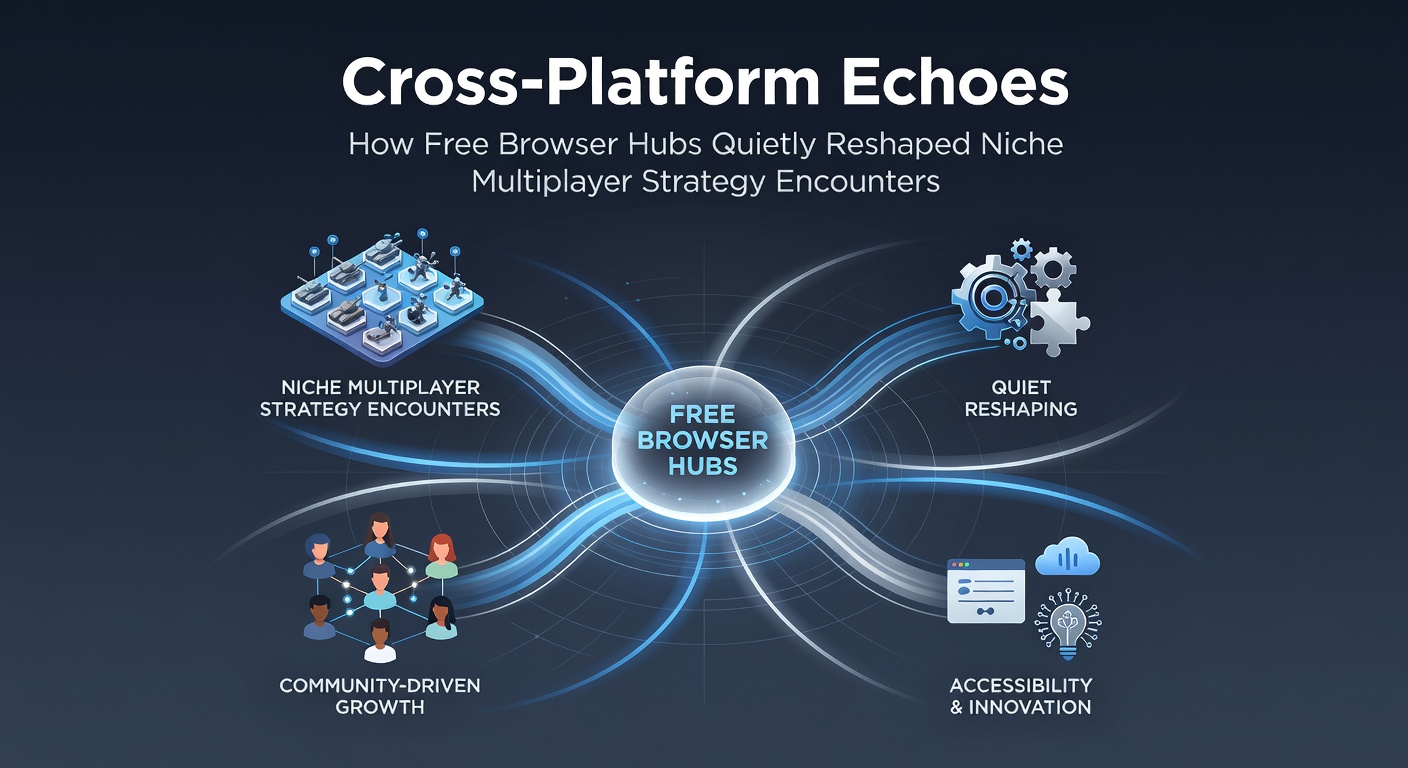
Integration with external leaderboards and clan systems extends engagement beyond individual matches. Data collected by the Canadian Interactive Digital Media Association in early 2026 highlighted increased retention rates when browser hubs incorporated social features that track long-term alliance formations. Such systems allow participants to review historical replays and refine tactics without leaving the platform environment.
Impact on Niche Genres and Community Structures
Niche multiplayer strategy encounters have proliferated in areas like asymmetric warfare simulations and cooperative empire-building where browser accessibility lowers entry thresholds for new participants. Reports from the Australian Classification Board note that these titles frequently receive ratings indicating suitability for broad audiences which further expands potential user bases. Community forums attached to major hubs facilitate discussion of balance patches and custom rule variants that evolve through collective input.
Developers leverage analytics from browser sessions to iterate on map designs and unit behaviors based on aggregate play patterns. Academic analyses from the University of Melbourne indicate that such data-driven refinements have shortened development cycles for strategy updates compared to traditional packaged releases. Those who've examined participation logs find that cross-platform hubs sustain smaller but highly engaged player populations that might otherwise fragment across proprietary clients.
Current Trends as of May 2026
By May 2026 browser hubs continue incorporating WebAssembly modules that enhance performance for complex pathfinding and simulation calculations previously limited to native applications. Industry organizations such as the Interactive Games and Entertainment Association track rising numbers of titles that support both solo practice modes and ranked multiplayer queues within the same interface. These features enable seamless transitions between casual exploration and competitive strategy events without additional downloads or account migrations.
Security protocols standardized across platforms address concerns around session integrity and account protection while preserving open access models. Observers note that regulatory frameworks in multiple jurisdictions including the European Union have adapted guidelines to accommodate browser-delivered multiplayer experiences that emphasize skill over monetization mechanics.
Conclusion
Free browser hubs maintain influence over niche multiplayer strategy encounters through ongoing technical adaptations and community-driven content. Records from multiple research bodies confirm sustained participation levels and incremental improvements in cross-device compatibility. These platforms continue to serve as testing grounds for mechanics that later appear in broader digital ecosystems while preserving accessibility for specialized player groups.