Cross-Genre Collaborations Thrive as Browser Games Blend Puzzle, Racing, and Shooting Mechanics
Petra Müller · Aug 26, 2026
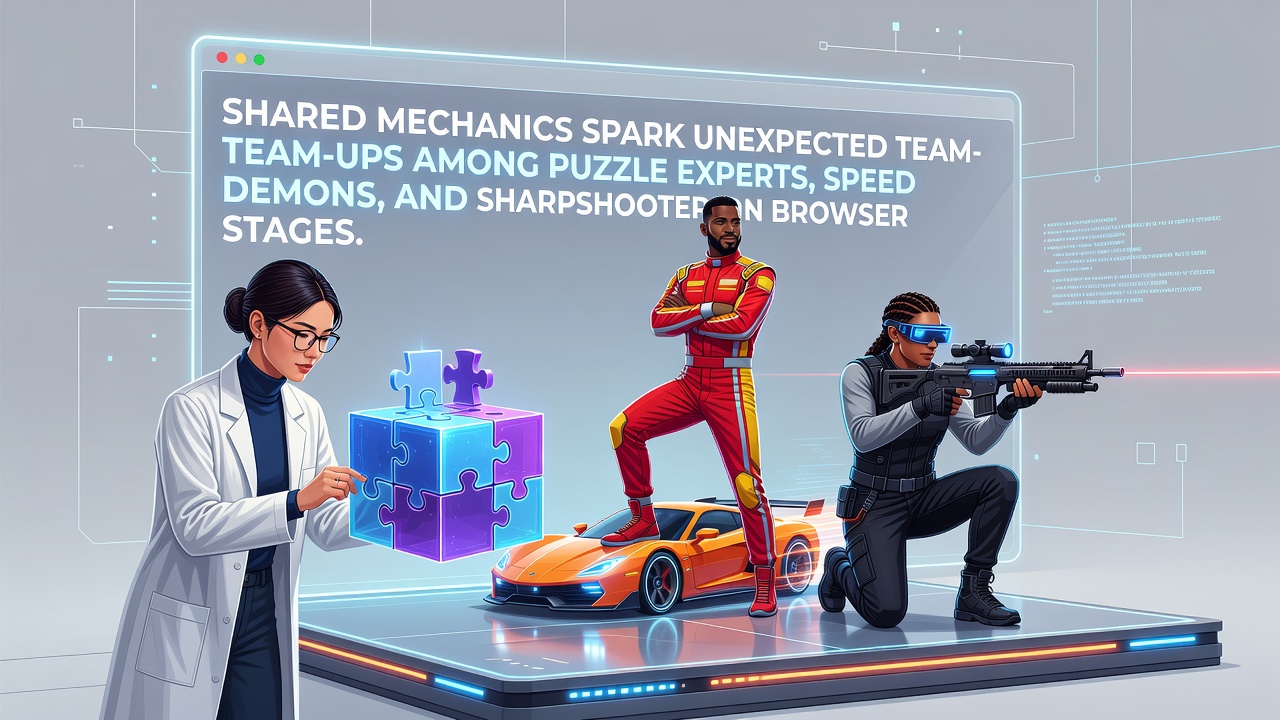
Cross-Genre Collaborations Thrive as Browser Games Blend Puzzle, Racing, and Shooting Mechanics
Browser platforms continue to host games where puzzle logic intersects with racing speed and shooting precision, creating environments that draw together participants with distinct skill sets, and data from industry reports shows these overlaps have expanded notably since the mid-2020s.
Mechanics That Bridge Different Play Styles
Many free browser titles incorporate timing-based challenges that appear in both puzzle sequences and racing segments, while accuracy requirements link puzzle completion to shooter segments, and researchers at various academic institutions have documented how these shared elements reduce barriers between player groups. In August 2026 figures released by the Interactive Games and Entertainment Association revealed increased participation rates in hybrid browser experiences across multiple regions, with team formation occurring more frequently when mechanics demanded coordinated input from varied expertise areas.
Precision aiming borrowed from shooter formats often appears in puzzle stages that require hitting moving targets to unlock paths, whereas racing sections introduce velocity management that puzzle solvers must adapt to when navigating time-limited mazes, and this convergence allows marksmen to contribute during navigation phases while speed-focused players handle transit segments.
Platform Features Supporting Group Formation
Zero-install access on web portals enables quick entry into sessions where multiple mechanics run simultaneously, and participants report that shared objectives emerge naturally when puzzle resolution feeds into racing checkpoints or when shooting accuracy determines puzzle outcomes. Observers note that browser infrastructure supports real-time synchronization across devices, which facilitates the formation of ad-hoc teams without prior coordination or specialized software.
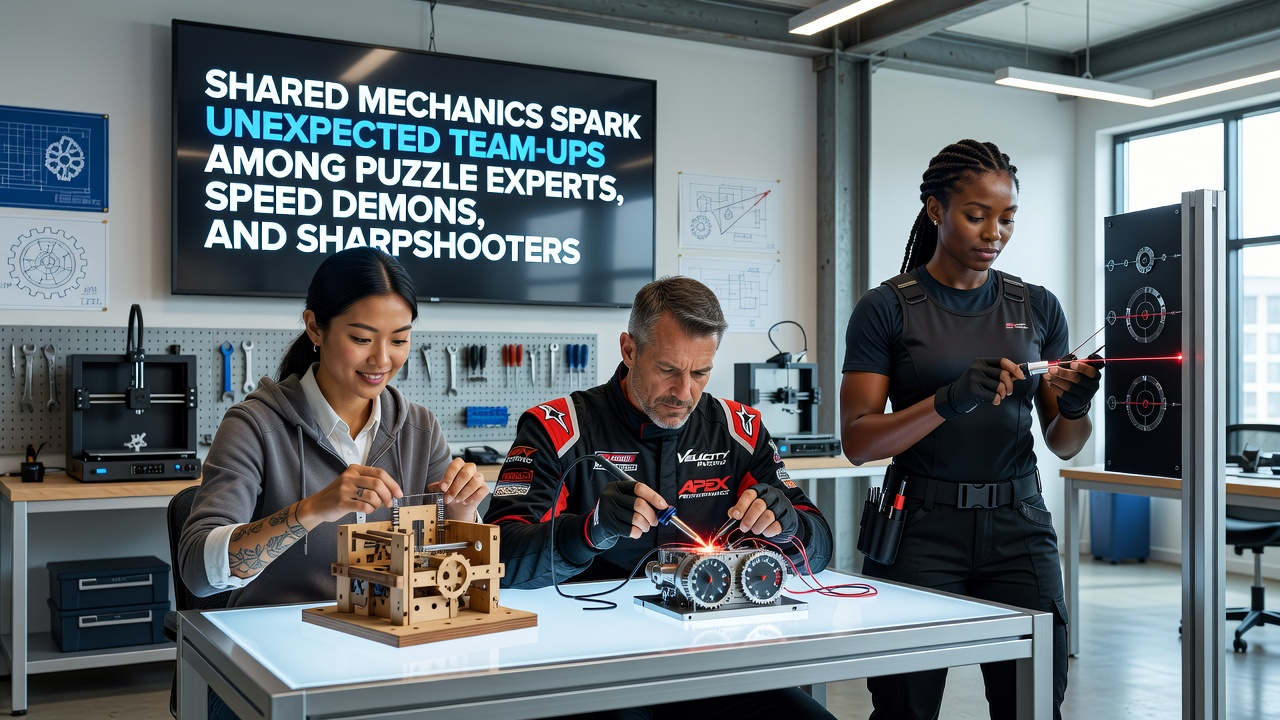
According to studies compiled by the Entertainment Software Association, browser-based multiplayer environments recorded higher instances of cross-genre teaming compared to download-required platforms during the same period, largely because the absence of installation barriers allows specialists from different domains to experiment with unfamiliar roles within the same session.
Examples of Integrated Game Structures
One category of browser titles requires players to solve spatial puzzles to open routes for high-speed segments, after which marksmen neutralize obstacles that would otherwise block progress, and these layered designs appear consistently across portals that host free content. Another structure places racing enthusiasts in control of vehicle movement while puzzle experts manage resource allocation and shooter participants handle defensive actions, creating interdependence that rewards combined participation.
Evidence from university-led analyses of player behavior indicates that such integrations lead to repeated sessions among mixed groups, because success metrics depend on collective application of distinct abilities rather than uniform skill application across all roles.
Community Dynamics and Participation Patterns
Those who study online gaming communities have observed that puzzle specialists often assume planning roles, speed enthusiasts focus on execution timing, and sharpshooters manage variable threats, and these divisions emerge organically within browser sessions that blend the three elements. Platform analytics from 2026 show sustained engagement in these hybrid formats, with session lengths extending when team compositions include representatives from each mechanic category.
Browser environments also permit rapid role switching during matches, which further encourages individuals to contribute across domains while still leveraging primary strengths, and this flexibility appears in titles that maintain consistent core loops without requiring genre-specific downloads.
Conclusion
Browser stages that merge puzzle logic with racing velocity and shooting accuracy continue to generate conditions where participants from separate backgrounds form functional teams, and ongoing platform development supports these interactions through accessible, synchronized gameplay structures. Data collected through industry and academic channels confirms the persistence of these patterns into 2026 and beyond.